

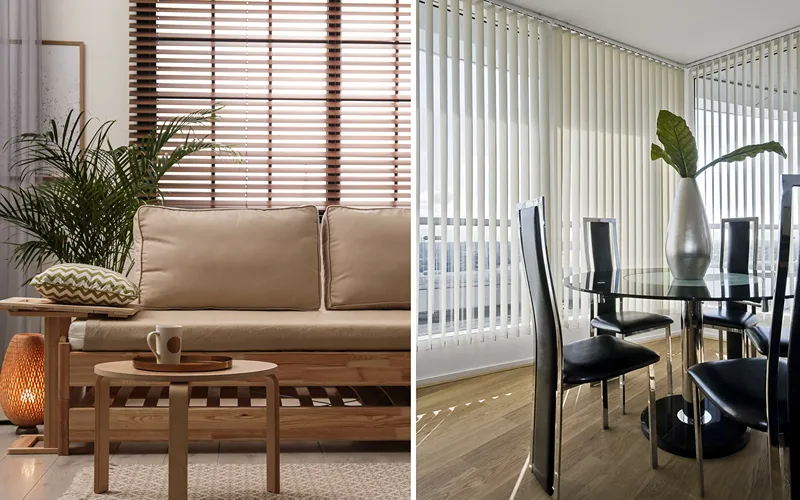
Choosing the right window blinds can make a difference to the comfort, privacy and appearance of a room. Venetian and vertical blinds are two popular options, but they have different designs, operating mechanisms and practical uses. While Venetian blinds feature horizontal slats that can be tilted to adjust incoming light, vertical blinds use hanging louvres that rotate and move sideways.
Both options can suit residential and commercial spaces, but the right choice depends on your window dimensions, preferred appearance, light requirements and daily use. Understanding their differences will help you select blinds that work well with your space. Explore our Window blinds to find suitable styles for different interiors.
What Are Venetian Blinds?
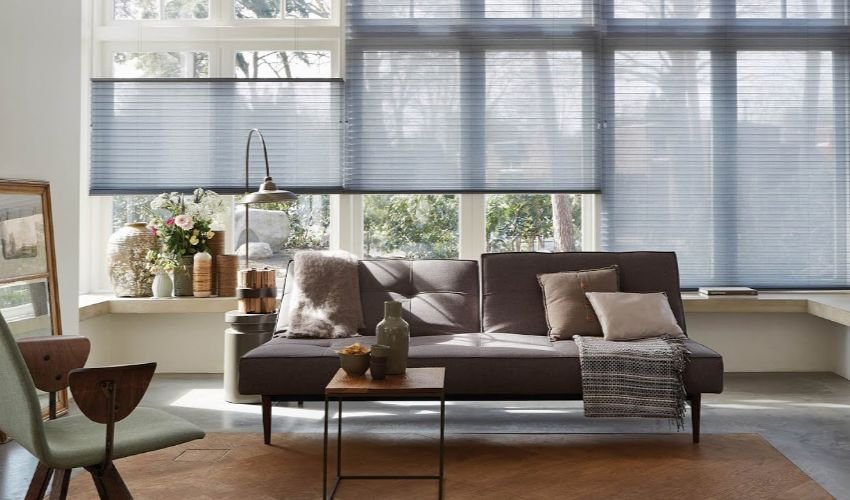
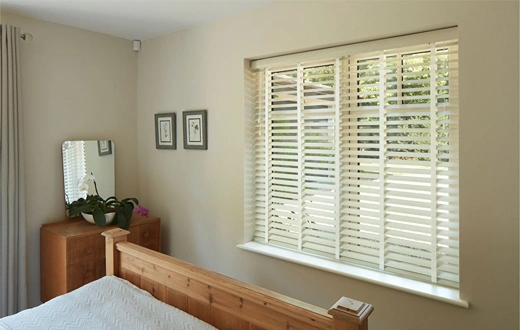
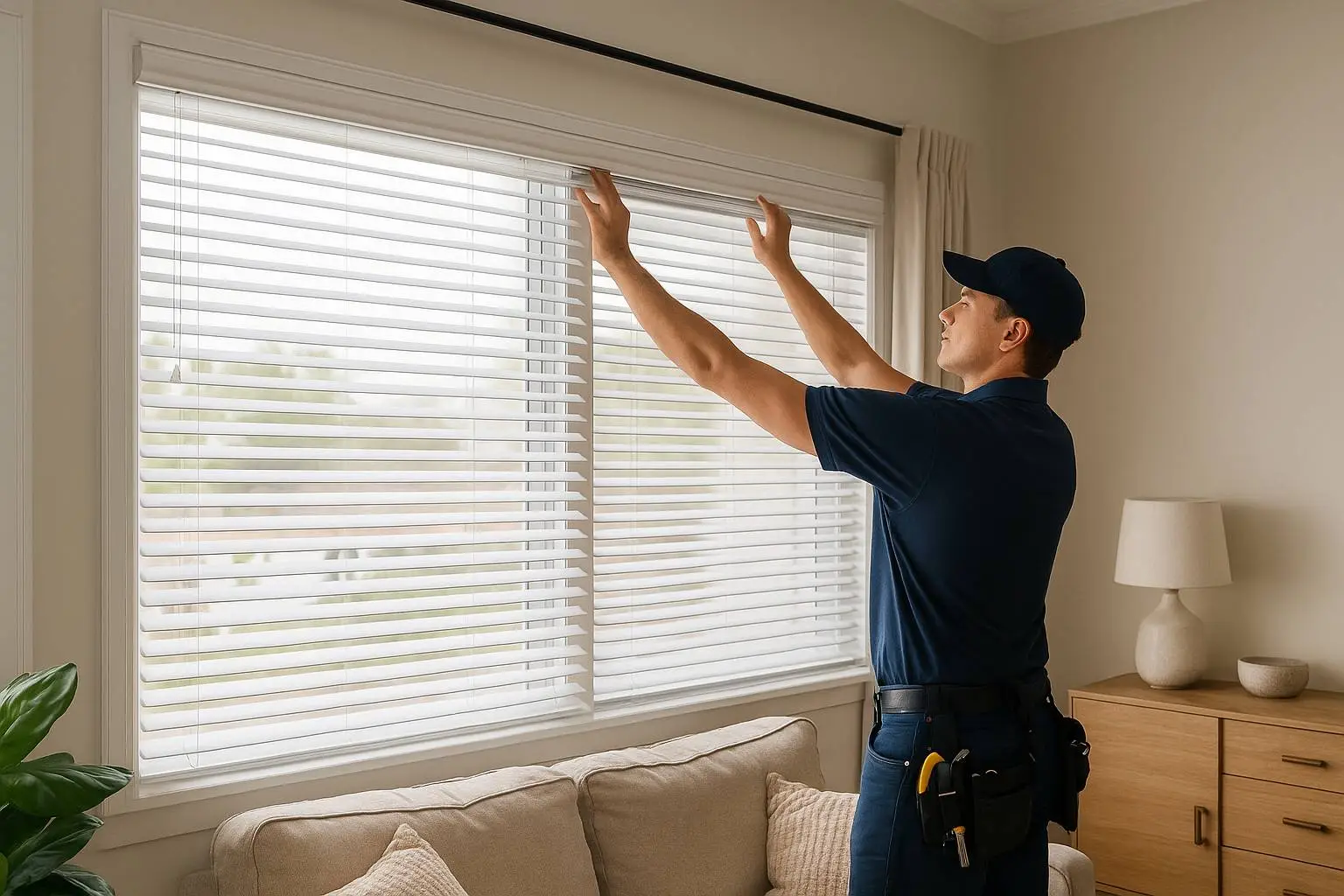
Venetian blinds consist of horizontal slats connected by a cord or ladder system. These slats can be tilted to control the amount of daylight entering a room. Depending on the design, the entire blind can also be raised or lowered to uncover the window.
They are available in different materials, including aluminium, wood and faux wood. Aluminium Venetian blinds offer a lightweight option, while wooden and faux wood designs provide a different decorative appearance.
One of their main advantages is adjustable light control. You can tilt the slats to allow daylight into the room while reducing direct visibility from outside. This makes them suitable for bedrooms, living rooms, kitchens and offices.
Venetian blinds are particularly practical for standard-sized windows where horizontal slats can provide the required coverage without taking up excessive space.
What Are Vertical Blinds?
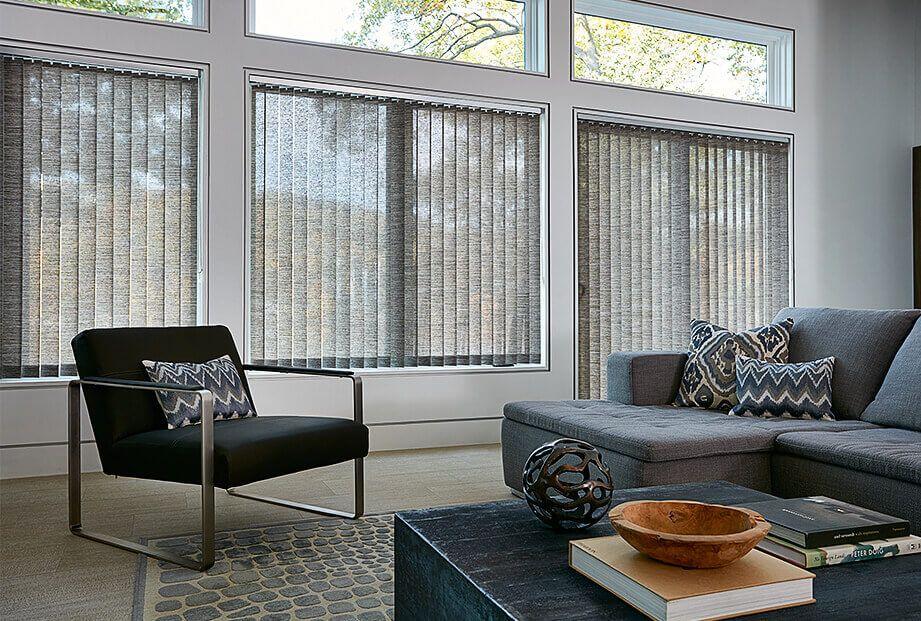
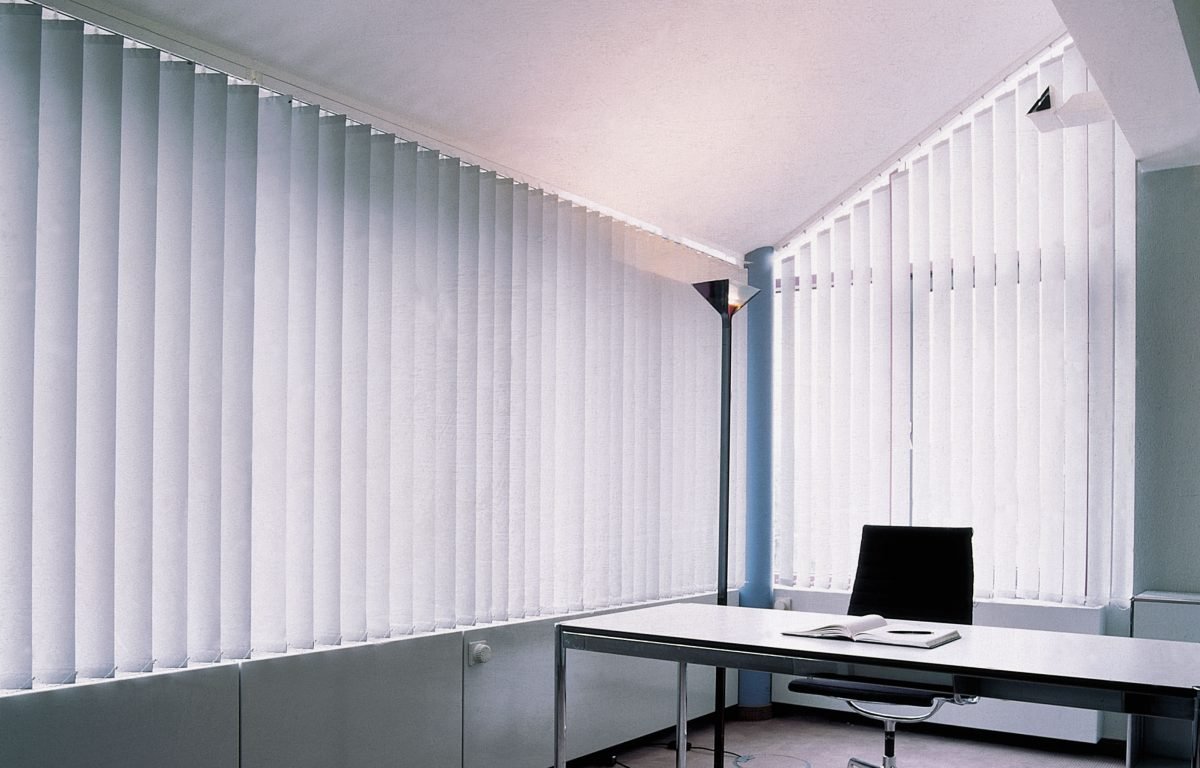
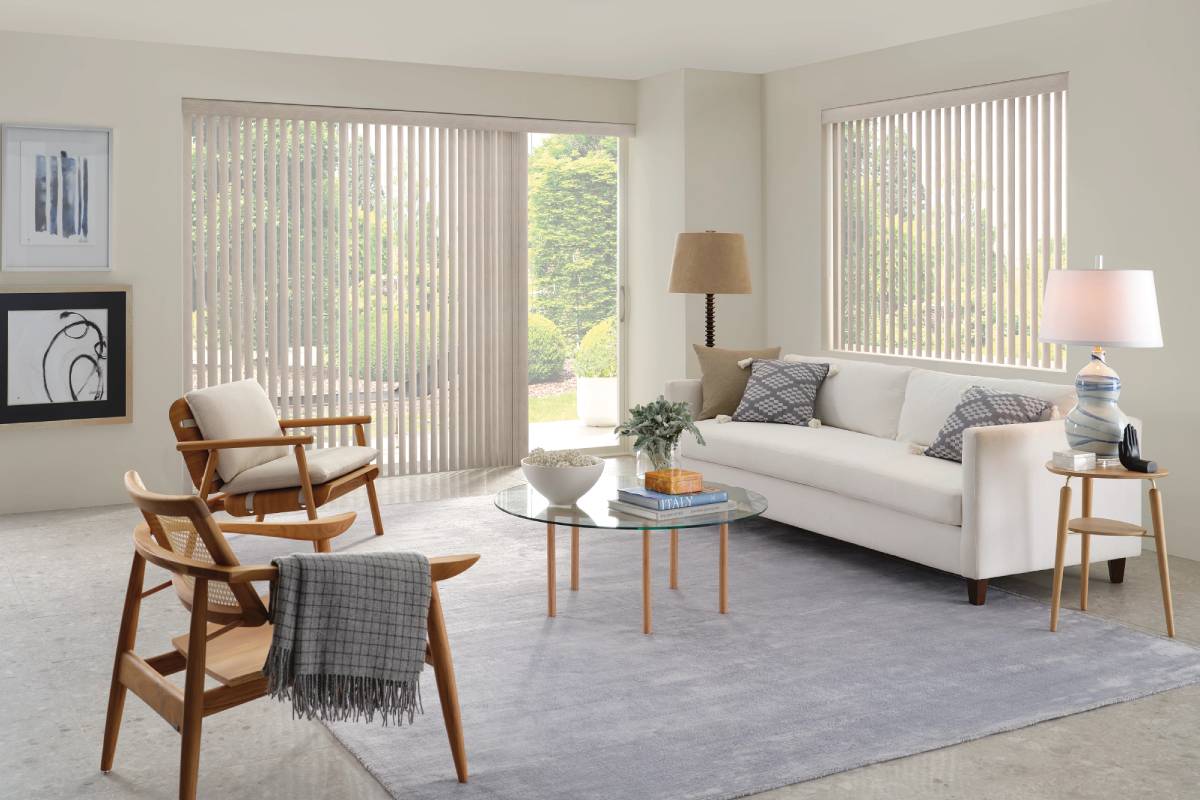
Vertical blinds feature individual vertical strips, commonly known as louvres, that hang from a headrail. These louvres can rotate to adjust light and privacy or move sideways to open the window area.
They are commonly available in fabric and PVC materials, with different colours, textures and finishes. Their vertical arrangement creates a distinctive appearance and makes them suitable for wider window openings.
Vertical blinds are often used for large windows, patio doors and sliding glass doors because their sideways movement provides convenient access to the opening. They can also be installed in offices and commercial spaces where wide window coverage is required.
Their main practical advantage is the ability to cover larger openings while allowing the louvres to be moved aside when the window or door needs to be accessed.
Venetian Blinds vs Vertical Blinds: Key Differences
Although both blind types provide adjustable light control and privacy, their construction and operation are different. The following table highlights the main differences to consider before choosing.
| Comparison Factor | Venetian Blinds | Vertical Blinds |
| Slat Direction | Horizontal | Vertical |
| Operating Mechanism | Slats tilt and blind raises or lowers | Louvres rotate and move sideways |
| Common Materials | Aluminium, wood and faux wood | Fabric, PVC and other finishes |
| Window Suitability | Small and medium-sized windows | Large and wide windows |
| Light Control | Adjusted by tilting horizontal slats | Adjusted by rotating vertical louvres |
| Privacy | Controlled through slat positioning | Controlled through louvre positioning |
| Appearance | Structured horizontal design | Elongated vertical design |
| Sliding Doors | Less convenient for wide openings | Suitable for sliding glass doors |
| Cleaning | Individual slats require cleaning | Individual louvres require cleaning |
| Maintenance | Depends on slats, cords and lifting mechanism | Depends on louvres, cords and track system |
Advantages and Limitations of Venetian Blinds
Venetian blinds offer flexible light adjustment and come in different materials to suit various interior styles. However, their horizontal construction also has some limitations.
Advantages of Venetian Blinds
- Adjustable Light Control
The horizontal slats can be tilted to change the direction and amount of incoming daylight. This allows you to adjust the room’s brightness without completely raising the blinds.
- Different Material Options
Venetian blinds are available in aluminium, wood and faux wood. This provides flexibility when selecting a material according to the room’s appearance and practical requirements.
- Suitable for Standard Windows
Their horizontal construction makes them a practical choice for many bedroom, kitchen, living room and office windows. They can provide coverage without requiring a wide sideways opening area.
- Flexible Privacy
The slats can be positioned to reduce outside visibility while still allowing some daylight to enter. The level of privacy depends on the slat angle and the surrounding viewing angles.
Limitations of Venetian Blinds
- Dust Accumulation on Slats
Horizontal slats can collect dust, so regular cleaning is important. Each slat may need to be wiped individually to maintain a clean appearance.
- Wide Windows Can Require Additional Planning
For particularly wide windows, the weight and width of the blind should be considered. The appropriate mechanism and installation arrangement are important for smooth operation.
- Lifting Mechanisms Require Care
Cords and other operating components may experience wear with regular use. Gentle handling and periodic checks can help maintain their functionality.
- Less Convenient for Wide Sliding Doors
Raising the entire blind may be less convenient than moving vertical louvres sideways when frequent access through a sliding glass door is required.
Advantages and Limitations of Vertical Blinds
Vertical blinds are designed for windows and openings where sideways movement is useful. Their individual louvres provide adjustable coverage, although their suitability depends on the room and installation requirements.
Advantages of Vertical Blinds
- Suitable for Large Windows
Their vertical arrangement makes them suitable for wide windows and large glass panels. They can cover broader openings without relying on a single wide horizontal structure.
- Convenient for Sliding Glass Doors
Vertical blinds can be moved sideways to provide access to sliding doors. This makes them a practical option for patio doors and other frequently used openings.
- Adjustable Light and Privacy
The louvres rotate to change how much daylight enters the room and how much visibility is allowed from outside. They can also be moved aside when more natural light is required.
- Individual Louvre Replacement
Depending on the blind system, individual damaged louvres can often be replaced without replacing the entire installation. This can make certain repairs more manageable.

Limitations of Vertical Blinds
- Louvres Can Move with Airflow
When windows or doors are open, moving air can cause the vertical louvres to sway or shift. This may affect their positioning and appearance.
- Track Maintenance Is Important
The headrail and operating mechanism need to remain clean and functional. Dust or mechanical issues can affect how smoothly the louvres move.
- Fabric Options May Need Careful Cleaning
Fabric vertical blinds may require specific cleaning methods to avoid damaging their material or finish. Always follow the manufacturer’s care instructions.
- Not Suitable for Every Interior Style
Their vertical appearance may not complement every room design. Consider the overall interior style before selecting them.
Which Blinds Are Better for Different Spaces?
The most suitable blind type depends on how a room is used and the size and position of its windows. Here is how Venetian and vertical blinds compare in different spaces.
Living Rooms
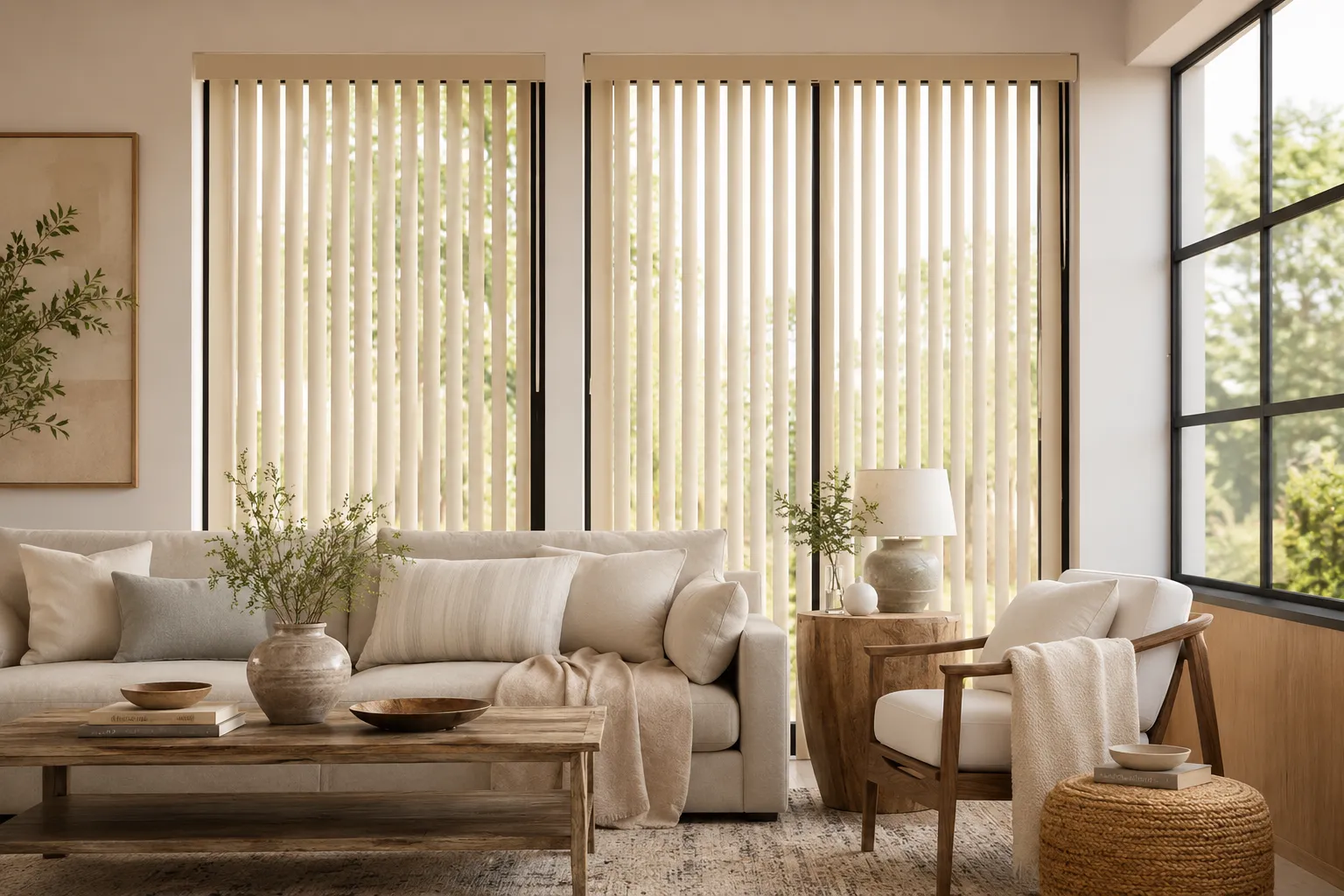
Venetian blinds can be suitable for standard living room windows where adjustable daylight and privacy are important. Their horizontal slats allow you to control light without completely covering or uncovering the window.
Vertical blinds are worth considering when a living room has wide windows or large glass panels. Their sideways movement can also be useful when the windows are connected to an outdoor area.
Bedrooms
Privacy and light control are important when selecting blinds for bedrooms. Venetian blinds allow you to adjust the slat angle to manage daylight and outside visibility.
Vertical blinds can also work well for larger bedroom windows. However, consider the material and level of light coverage required before choosing either option.
Offices
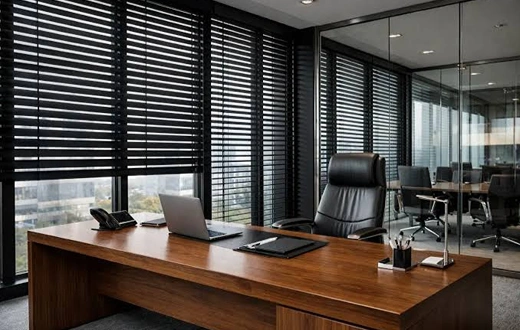
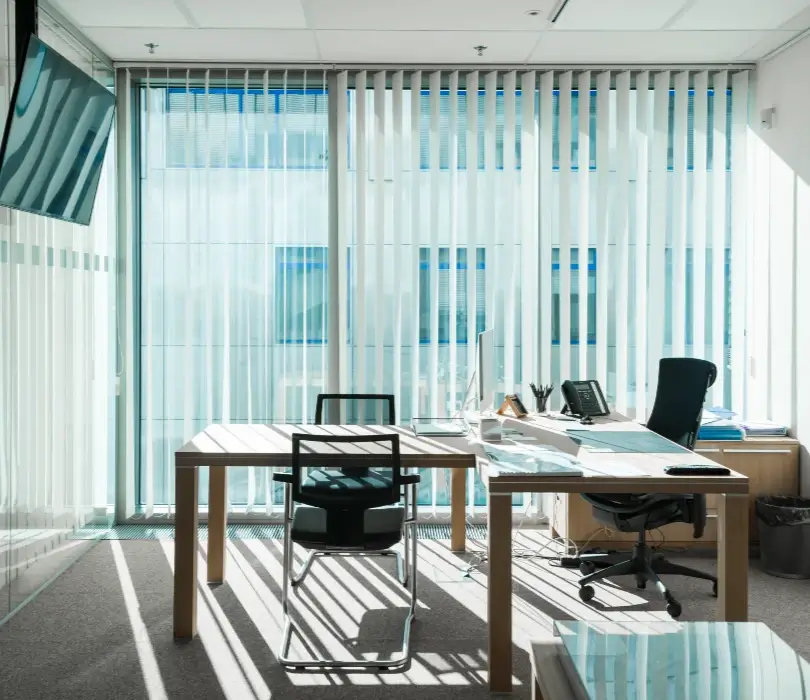
Both options can be used in office environments. Venetian blinds provide adjustable daylight control for standard office windows, while vertical blinds can cover wider windows and glass openings.
The choice should also consider screen placement, desk positions and the direction of incoming sunlight to help create a comfortable working environment.
Kitchens
Venetian blinds, particularly aluminium options, can be practical for kitchen windows because their slats are relatively straightforward to wipe clean. Material selection is important in areas exposed to cooking residue and moisture.
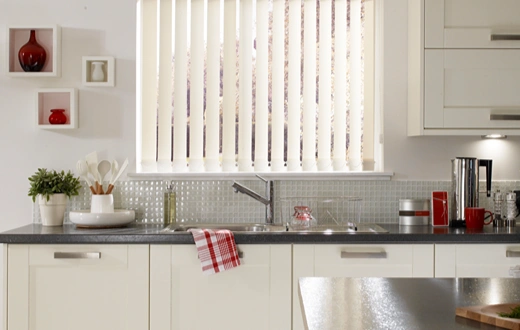
Vertical blinds may also be suitable for larger kitchen windows, provided the selected material is appropriate for the environment and its cleaning requirements.
Sliding Glass Doors
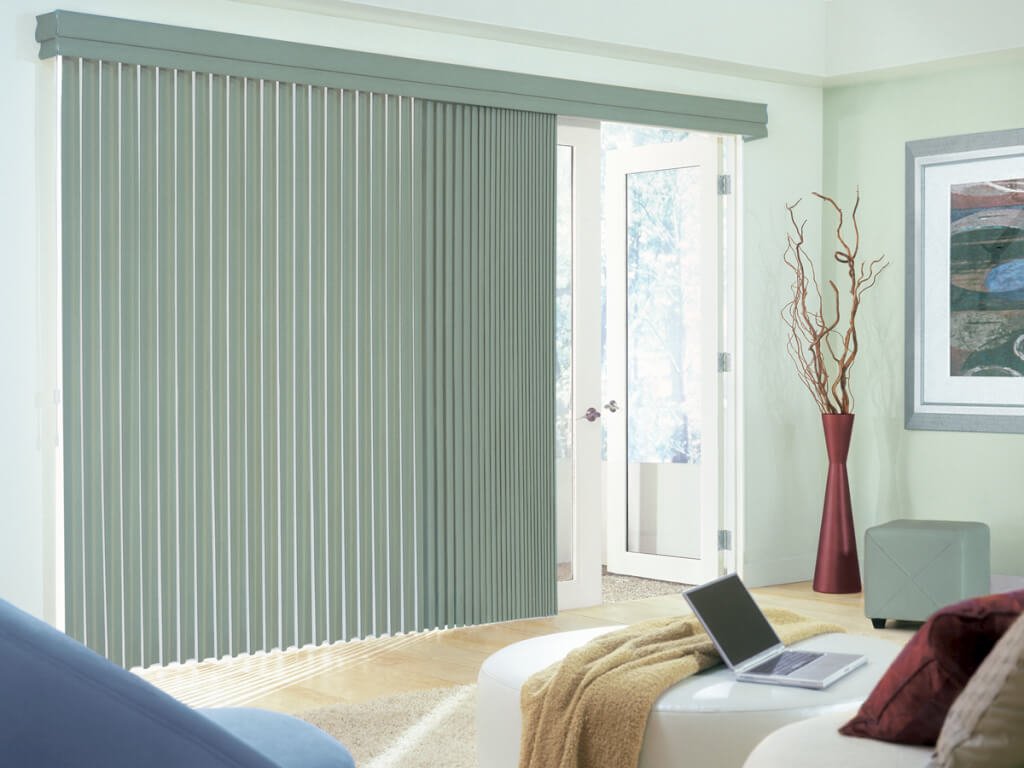
Vertical blinds are generally the more convenient choice for wide sliding glass doors. Their louvres can move sideways, allowing access without raising the entire blind.
Venetian blinds may be less practical for frequently used sliding doors because their lifting mechanism needs to be operated to clear the opening.
Final Verdict
Both Venetian and vertical blinds can provide effective window coverage, but their different designs make them suitable for different situations.
Venetian blinds are a practical choice for standard-sized windows, particularly when you prefer horizontal slats, adjustable daylight and a choice of aluminum, wood or faux wood finishes. They can work well in bedrooms, kitchens, living rooms and offices.
Vertical blinds are generally more suitable for wide windows, large glass panels and sliding glass doors. Their rotating louvres and sideways movement provide convenient access to larger openings.
If you are exploring the best blinds in Dubai, consider your window dimensions, preferred material, privacy requirements and operating needs before selecting a style. CurtainsOutlet.ae offers window covering solutions to help customers find suitable options for different residential and commercial spaces.